
Featuring L’Oréal-UNESCO FOR WOMEN in SCIENCE 2014 Laureates

The For Women in Science program is the result of a partnership between a multinational corporation, L’Oréal, via its corporate Foundation, and an international organization, UNESCO, both of which share a common goal: Publicizing the accomplishments of women scientists.
For the past 16 years the L’Oréal-UNESCO For Women in Science program has recognized and honored 2000 exceptional women scientists from 115 countries, 82 awards laureates for their excellence in science and 1920 young women granted fellowships to pursue promising research. The outstanding achievements of these laureates have contributed to the advancement of scientific knowledge and helped change the world for the better.
The 2014 L’Oréal-UNESCO For Women in Science Awards Laureates are five women researchers that have made major discoveries in neurobiology, immunology and ecology.They are 1) Dr. Segenet Kelemu, Africa & Arab States; 2) Prof. Laurie Glimcher, North America; 3) Prof. Cecilia Bouzat, Latin America; 4) Prof. Kayo Inaba, Asia & Pacific; and 5) Prof. Brigitte Kiffer, Europe.
15 Young Women Scientist were also awarded 2014 fellowships. They are 1) Emma Gray, South Africa, 2) Tania Pozzo, Bolivia, 3) Francisca Barake, Chile, 4) Katalin Czondor, Hungary, 5) Selena Gimenez Ibañez, Spain, 6) Mio Ozawa, Japan, 7) Alia Shatanawi, Jordan, 8) Aramide Dolapo Oshingboye, Nigeria, 9) Bhama Ramkhelawon, Maurutius, 10) Gul Shahnaz, Pakistan, 11)Sandra Lopez-Verges, Panama, 12) Adila Elobeid, Sudan, 13) Jingmei Li, Singapore, 14) Farah Ouechtati, Tunisia, 15) Ahu Arslan Yildiz, Turkey.
Leading Science in Africa
The main food source for much of the world’s livestock, forage grasses are vitally important to meeting the increasing demand for meat and milk. Dr. Segenet Kelemu has been recognized by L’Oreal-UNESCO 2014 Women in Science award for her research on how microbes living in symbiosis with these grasses influence their health, their capacity to adapt to environmental stress and their ability to resist disease.

By enabling small-scale farmers in tropical and sub-tropical regions to choose the most productive, most pathogen-resistant forage grasses, her work has both helped them improve their lives and increase supplies of much needed animal proteins.
In particular, Dr. Kelemu’s research on Brachiaria grasses has shown that their capacity to thrive in diverse environments is related to an endophyte fungus which lives within these plants, protects them and exists in symbiosis with them.

Her work has led to solutions for disruptions in food supplies caused by pathogenic organisms andextreme climatic conditions and may help to determine which microbes allow crops to survive environmental alterations.
Dr. Kelemu grew up in a remote village in Ethiopia. Although she bore the unequal burden carried by rural African women, she had an uncommon determination to overcome any obstacle to achievement and to help her continent’s farmers. Defying strong cultural norms, she became the first woman from her region to attend what was then Ethiopia’s only university.

In 2007 Dr. Kelemu established the Bio-sciences eastern and central Africa (BecA) Hub laboratories, hosted and managed by the International Livestock Research Institute in Kenya, and is currently Director General of the International Center for Insect Physiology and Ecology. “Africa is in desperate need of world-class institutions…”
Dr. Kelemu advices: “Set your goals and pursue them relentlessly. Don’t let anyone tell you that you cannot do it. Science is not reserved for the privileged few or the super smart or the especially crazy! If I can do it, so can you!”
The Innovation Triangle – Defining a Culture of Success
Leadership’s responsibility is to see the big-picture and appropriately invest in all the areas required to bring a successful innovation to market.

For decades companies have looked to innovation to differentiate themselves amidst intense global competition. An innovation workout, initiatives, processes and a host of innovation-related “buzzwords” cropped up as companies scrambled to compete. The irony here is that there is no consistent, agreed-upon definition of innovation. A quick search on the web reveals dozens of different definitions for “innovation”.
Many authors tied innovation to invention, or rather the process of coming up with new ideas, whereas other authors indicated that generating value for the company was a critical part of innovation. Others highlighted implementation or commercialization, and many definitions were focused on new products. With such varied definitions of innovation, it quickly becomes apparent that a robust, practical definition is needed.
Why is a definition important? A solid definition is the foundation of a common language and a language is often thought of as the foundation of a culture. An appropriate and practical definition of innovation in a company can be used to drive the culture and form the basis of how the company views the evolution of its products, services, and business models. Furthermore, it can help inform the skills and resources that are needed to be successful and when they should be applied; an agreed upon definition can be the basis to drive an innovation culture in a company.
Working Definition of ‘Innovation’
We have developed a working definition of innovation that could be practically applied. The Innovation Triangle [seen below] highlights the three main elements. When viewed as a noun representing an object, an innovation consists of the invention (the new idea), the value for the customer (customer proposition), and the value for the company (business proposition). This definition lends itself to understanding innovation as process, where the corners of the triangle can be mapped to the actionable verbs of create, evaluate and implement.

In order to be successful, an innovation must address all three elements. Two out of three are insufficient. For example, coming up with a new idea that nobody cares about would qualify as an invention, but not an innovation. In fact, there is generally no shortage of great ideas. Similarly, developing something new that is valuable for the customer, but does not generate value for the company is unsustainable. The real challenge lies in identifying those few new ideas that will be valuable to the customer and generate value for the company.
The Importance of Three
It is interesting to see that many innovations have had each of the three corners developed by different companies. Innovations are agnostic to corporate lines and this fact should strike fear into corporate leadership.
There are many famous examples of technology developed by one company, but abandoned since leadership did not recognize value to the customer or how to generate value for the company. Of course, hindsight is always perfect. Kodak’s invention of the digital camera and Xerox PARC’s inventions of virtually every aspect of personal computing (mouse, GUI, Ethernet) are routinely cited as examples of companies allowing others to capitalize on their inventions. In these situations, the R&D invested to develop the invention was essentially wasted, or worse, picked up by another company which brought it into the market place. The technology represented a successful innovation, however, the company which invested in the original research did not benefit from the resulting revenues. This type of example is the reason why a company needs to consider all three corners when developing something new. If your company doesn’t find a way to satisfy all three corners, someone else will be successful using your invention!
It is important to recognize the balance represented by the innovation triangle. Many companies invest heavily in research and development; however, having the best invention doesn’t necessarily mean it will be the best innovation. Once again, there are many famous examples of a technically inferior product thriving in the marketplace. The reason? The inferior product had the best combination of all three corners of the triangle. Investing in a new innovation means more than simply investing in R&D, but also investing in developing new business models to generate company and customer value. Leadership’s responsibility is to see the big-picture and appropriately invest in all the areas required to bring a successful innovation to market. This is where a definition of innovation becomes critical as it provides a framework for the discussions.
Obviously, just having a definition of innovation is not going to guarantee a company’s success. What it does do, however, is provide the basis of a much needed conversation. The definition proposed in this article might not be for everyone. In fact, every company needs to develop its own personalized definition of innovation that is actionable and can be tied directly to corporate processes. In addition to providing a common language, the implications are far-reaching beyond just research & development activities in defining the innovation culture.
Does your company have a commonly agreed-upon definition of innovation? How does that definition impact the vision for new products and services, the role of each department in contributing to the innovation culture, human resources, compensation and incentives, team formations, new business models and the ability to test them prior to market introduction? All of these are tough questions that start with a good definition.
Profile:
Adam Rasheed is a Senior Research Engineer at GE Global Research.
Women Scientist of Americas – their inspiring stories

This book was developed by the efforts of Women for Science Program of the Inter American Network of Academies of Science (IANAS) to share the journey’s of 16 extraordinary women scientist of Americas as to how and why they choose science as their career.
IANAS & IAP’s goal is to encourage young women to think of science as they evaluate their own future opportunities. The Science Academies of the Americas are committed to the ideal of equal opportunities for women in the scientific endeavor. The goal of the IANAS Women for Science Program is to encourage gender equity among their member Science Academies.
Enclosed are few quotes by the featured Women Scientist:
“I am convinced that it is important for women to participate in all human activities and not to be excluded from them. For example in my discipline there were women who made significant contributions, and were only able to do so by assisting their husband or brothers, since they were not allowed to carry out their work freely. Only a few of them were recognized, and this was done belatedly. I consider that those women that are interested in scientific research should have similar opportunities as men”
“I made the best decision in my life, because biological research is an inspiring recreation of Nature” ~ Monica Moraes, Bolivia
“Women are more intuitive, which […] is an important characteristic for science” ~ Mayana Zatz, Brasil
“My parents made me feel I could achieve whatever I wanted; the sky was the limit” ~ Marla B. Sokolowski, Canada
“Being a scientist does not conflict with feminine values; you can be a mother, a housewife and glamorous!”~ Grace Sirju Charran, Carribean
“It is quite awe-inspiring to gaze at that wonderful dark sky, but even better to actually know what you are looking at…”~Maria Teresa Ruiz, Chile
“It is worth trying to change the world through your work.”~ Angela Restrepo Moreno, Colombia
“I dreamed of becoming an astronomer or astronaut, under the influence of the novels of Jules Verne…”~Maria G. Guzman, Cuba
“Science is about data, perseverance, discipline and often about love, and women know a lot about all this.” ~ Idelisa Bonnelley, Dominican Republic
“The most important thing is to devote yourself to what you like best, regardless of the pay or recognition, because this will come if you do your work with passion.”~ Eugenia Kalnay, United States of America
Enclosed is the link to the book:
WOMEN_SCIENTISTS_IN_THE_AMERICAS
The Power of Purpose in Leading Transformational Change
Rashmir Balasubramaniam
Founder of Nsansa

We live in a truly transformative age. Technology continues to disrupt our lives, our work, and our systems of governance. There are few problems we don’t have technical solutions for now. Traditional challenges in global health are being tackled. Global poverty has been reduced dramatically, giving rise to new challenges of distribution, inclusion and intra-country inequity. True democracy is becoming possible in a way it never was before. Radical transparency is now no longer a choice – it is a necessity. Intentionally or unintentionally causing harm to people and the planet is no longer tolerable. Sooner or later it will be found out and called out. Opportunities abound now for people all over the world to step away from traditional choices and the security of their tribes, and instead to follow their calling and larger purpose, causing schisms for those in more traditional societies.
Despite coming from a traditional society myself, I have been lucky to have experienced many different cultures and contexts from an early age. I have initiated, led and worked on many large and small transformational change projects across multiple countries and continents. From my work, it is clear that the more hierarchical approaches to change are no longer viable. Instead, leaders are being called to a new type of leadership – conscious and transformational leadership. Leaders are being called to inspire more, engage more, and co-create more. There is power in this, for it unleashes and harnesses the knowledge, wisdom and collective power of the group. It spurs people to greater responsibility and accountability for themselves and those around them. And it unleashes greater creativity, energy and momentum for positive human evolution and development.
This new kind of leadership that is being called for is not easy, but it is essential in this transitional age. There are several elements of effective transformational leadership, but perhaps none more important than purpose. Therefore, this article discusses the power of purpose for leaders of transformational change, and provides some suggestions on how to define your purpose.
1. Get clear on your purpose
This sounds obvious and easy, and yet everywhere I have worked, when I have asked leaders questions such as “what larger purpose are you serving?”, “what does success look like?”, “how will the world be different once you have realized your aim?”, etc. leaders have found it difficult to answer.
There are two primary reasons for this. Firstly, we all too often tend to get stuck on career treadmills that others have defined. We become accustomed to going where others have suggested we go, following the paths others have created. We have gotten used to aspirations that seem reasonable, allowable, and possible for us. We have been taught from an early age to conform and not to push too hard at the boundaries around us. And we have inadvertently subscribed to the cultural, familial and organizational stories that perpetuate this mindset of limitation and scarcity. As a result, when we find ourselves in leadership positions, we end up inadvertently pursuing the aims set out for us, rather than defining our own purposes.
Secondly, we have become creatures of doing. This is a particular challenge of the modern age, in which the protestant work ethic has taken over. We have come to believe that more doing and achieving will lead to success and fulfillment. However, when we get caught up in doing, we don’t take enough time to be, to reflect, or to connect with our deeper selves. It is only from a place of being that we can tap into our deepest “why”, our purpose, and our unique potential and destiny.
There is an additional purpose-limiting factor for emerging leaders from around the world – especially those of us from more traditional cultures. I have noticed that when I work in cultures that are still mired in survival mode, people don’t stop to ask themselves or each other why they do what they do. They don’t take time to inquire into their deepest motivations and passions. It seems like a luxury. It seems selfish and self-centered. It seems somehow superfluous. But I know from personal experience, that it is not a luxury, it is a necessity. It is absolutely essential if we are to do our best work in the world, and realize not just one, but multiple larger purposes that we uniquely can serve.
To lead effectively, you must get clear on the larger purpose you are serving. You must know to what end you are working. How will you make people’s lives better? How will your work address major local or global challenges? How will your leadership change the world?
“Definiteness of purpose is the starting point of all achievement.” ~ W. Clement Stone
2. Make sure your purpose is your own
Clarity of purpose is key, but it must come from you – from deep within you. It will become your guiding light. It will enable you to inspire and align others to your goals. And it will keep you clear, focused and energized when the going gets tough.
How do you find your personal purpose? In America, it is not uncommon for people to ask themselves “what is my passion?”, “what do I want to do with my life?”, “how might I follow my bliss?’. There is a sense of freedom and possibility in the US that allows people to pursue these questions, and to keep growing, evolving and expanding themselves and their dreams. In traditional cultures, there tends to be much less freedom, much less hope and possibility, and much less time or support for the deep internal reflection from which a true sense of personal purpose can arise. Instead there is pressure to comply with duty, and to confirm with cultural expectations and obligations, such as ‘settling down’ and living stable, secure and acceptable lives.
In traditional cultures, we have been led to believe that success is security and stability, success is following the few established and acceptable routes that exist for us, success is remaining safe within the cocoon of the tribe and all that is acceptable to the tribe. Even though migration has opened up new routes and new possibilities, many – particularly women, are still expected to conform to traditional routes and roles.
This was brought home to me during a recent trip to Sri Lanka, during which I took time to travel, to connect to people and place that felt important for me at this pivotal point in my life. During one conversation about family and how our lives had evolved, an Aunt looked at me quizzically and said: “but you have achieved everything you wanted to haven’t you?” I was stunned by her comment. Despite 20+ years of work, more than half of which has been focused on realizing a better world for all, the answer for me is a resounding no! I have barely begun. For until fairly recently, I have been serving other people’s paths and other people’s purposes – ones that were often worthy, but not truly my own.
My true work has only just begun. I know this because I have done a lot of hard work over the last few years to connect to my core ‘why’, my reason for being, the things that most move me and excite me, the things I can’t bear to see stay the same. It has been a long and arduous journey, but it has been an invaluable one – which is perhaps why I love helping people find and connect with their personal ‘why’.
Don’t get stuck in someone else’s purpose, or sense of what’s possible for you. Find and live your own dream. Take time to ask what you are doing here, why you are here, and what uniquely you have to contribute. Take time to explore what excites you and what brings you joy. When you find the answer and act on it, you will find that you come alive. You will more easily engage with your whole self in your work, with clarity and definiteness of purpose.
“Don’t ask what the world needs, ask what makes you come alive and go do it. Because what the world needs is people who have come alive.” ~ Howard Thurman
3. Dare to dream big and fully commit to your dream
Have you heard people say that there is a lack of visionary leadership, or that we need more leaders with vision? I cannot tell you how many times I have heard this over my career. It always irks me, for it usually comes from leaders who can’t see or nurture the aspiring visionary leaders in their own organizations and communities. Instead, they reinforce the culture of conforming that suppresses those with the potential to be powerful, visionary leaders, and they inadvertently teach people not to articulate or step up to their larger dreams, their larger sense of purpose. So too many people get used to thinking small, acting small, and dreaming small – if they continue to dream at all. And as a result they plan and play at levels far below their potential.
I have experienced this myself in several organizations, and especially in those places where the stated or unstated mission of the organization did not resonate with me enough to stay and conform. As a result, when my intrinsic desire to learn and grow and experience was satiated in those places, it was an easy choice to move on to new challenges and growth experiences. Curiously I have also experienced this in organizations whose larger stated purposes have been akin to my own, but where the lived purpose and values were not aligned with the stated purpose or values. The resulting schism was confusing, painful, and difficult to get out of, but it also provided useful contrast. If you are in a situation like this, you can use the experience to learn and grow, and to contribute as best you can, while you clarify, expand and prepare for your own dream.
This is not just an organizational challenge. It can also play out among communities and countries. Sri Lanka is an interesting case in point. The country has been through tremendous turmoil over the last few decades. While there is peace now, there continues to be numerous political, economic, social and environmental challenges. However, what saddens me most is the lack of hope and the lack of larger purpose across the island. I was deeply struck to hear young people state that their aspirations were to leave Sri Lanka and get jobs overseas. No one I spoke to seemed to aspire for more. No one felt meaningful change was possible. Even though some things were getting better (e.g. the roads), there was an overwhelming sense of hopelessness, resignation and powerlessness pervasive throughout the country. Pride was at an all time low. A larger sense of purpose was completely missing. At this pivotal time, when visionary, purposeful leadership is being called for in Sri Lanka, most people, are not able to move beyond years of conditioning, constriction and fear.
By way of contrast, Martin Luther King rose to prominence at a similarly challenging and hopeless time for African Americans. He dared to dream big. He created hope when there was none. He inspired people to step up and act with boldness and courage, no matter what personal challenge they might face. He didn’t just have a vision of an end to violence and a better life for African Americans. He had a vast and expansive dream of true equality for all. He had a dream that was deeply rooted in the American dream and founding story, a dream of true freedom, prosperity and virtue for all. With his expansive dream he was able to inspire and instigate change and transformation. Because of his belief in and commitment to his dream, others were willing to step into their own hopes and dreams. They dared to stand up for what was right and true. They were willing to give their lives for a larger purpose, for their shared dream.
Dreaming alone is not enough. You must dream big. And when you do, you must truly commit to your dream. You must wholeheartedly commit to your larger purpose.
“Until one is committed, there is hesitancy, the chance to draw back, always ineffectiveness. Concerning all acts of initiative and creation, there is one elementary truth the ignorance of which kills countless ideas and splendid plans: that the moment one definitely commits oneself, then providence moves too. All sorts of things occur to help one that would never otherwise have occurred. A whole stream of events issues from the decision, raising in one’s favor all manner of unforeseen incidents, meetings and material assistance which no man could have dreamed would have come his way. Whatever you can do or dream you can, begin it. Boldness has genius, power and magic in it. Begin it now.” ~ attributed to Goethe, but more likely an amalgamation of quotes
4. Stay connected with purpose
This is perhaps the hardest thing about purpose. For even though we may have a clear, compelling purpose that is truly our own, the reality of work and life is messy. It is so easy to get caught up in the doing, in the messiness of managing people, and in the daily fires that crop up, that we can easily lose sight of our purpose. When we do, the chances of getting off track increase. And if we aren’t keeping our purpose front and center, then chances are, no else on our team or among our key stakeholders is either.
So it imperative to find ways to keep purpose front and center. It can be pretty simple. Place a sticky note with your purpose on it on your computer. Write a daily reflection on progress made towards your purpose each day, and make this a daily ritual. Develop a visual representation of purpose that becomes a formal or informal logo or motto. Start each meeting with a restatement of purpose. Ask each member of your team to report progress or challenges in terms of how it relates to purpose. These small steps can help ensure every action taken is in furtherance of your larger purpose.
“Vision without action is a daydream. Action without vision is a nightmare.” ~ Japanese Proverb
In summary, transformational leadership can be hard. Whether you are leading change as an entrepreneur, an intrapreneur or an innovator within a larger organization, or from a position of public service, you know it can be tough going. Often times those around you will not understand what you are doing, why you are doing it, or why you have decided to lead at this time. You may well encounter challenges and obstacles on a daily basis, particularly where social, cultural and political resistance are strong. So getting and staying clear on your unique purpose every day, every moment, and with every action is key. Stay connected to and committed to your purpose daily, and make sure you make progress each day – however small that day’s progress may be.
“A journey of a thousand miles begins with a single step.” ~ Lao Tzu
Profile:
Rashmir loves to work at boundaries and intersections. She is a global advisor, strategist, facilitator, educator and coach with over 20 years of experience working on market-based and multi-stakeholder strategies for realizing large scale change and transformation. She is a passionate speaker and advocate on leadership and personal development, sustainable development, creativity, innovation, entrepreneurship and whole systems transformation.
She is the Founder of Nsansa, a firm that advises and coaches funders, investors, entrepreneurs and intrapreneurs on creativity, innovation and market-based strategies for realizing transformational change. She is also the founder of LPDCoach.com, a startup that provides leadership and personal development services to global leaders and conscious (r) evolutionaries.
Rashmir always seeks to lift aspirations and build individual and group capabilities to realize important purposes. She has demonstrated the ability to build trust and consensus with diverse cultural and multidisciplinary teams, groups and organizations. And she is as comfortable working with the disenfranchised and the poor, as with politicians, investors, entrepreneurs and business leaders.
Rashmir spent five years at the Bill & Melinda Gates Foundation, where she led an initiative on private sector engagement and market-based solutions across the Global Health & Global Development programs. She drove strategy development and managed a diverse portfolio of grants for the foundation’s Water, Sanitation & Hygiene Program. She has worked with a wide range of organizations at global and local levels, including: International Planned Parenthood Foundation, PATH, Technoserve, World Bank, Hub (Seattle), Fledge (a conscious company incubator), and Startup Washington. Her work has ranged across water, sanitation, malaria, reproductive health, human resources for health, nutrition, agriculture, institutional development & social innovation/entrepreneurship ecosystem building.
Rashmir is an Adjunct Faculty member of the Foster School of Business, University of Washington and Bainbridge Graduate Institute. She has taught and mentored in a variety of other schools and programs, including Middlebury College, the Indian Institute of Sustainable Enterprise, and Fledge, a conscious company incubator. She is a Director of Sightline Institute, a sustainability think tank in the Pacific Northwest, and Humanosphere, a global health and development news blog.
Rashmir holds an MBA from Yale School of Management, a Diploma in Development Studies from University of London, and a BSc in Mathematics & Computer Science from University of Durham. A qualified Chartered Accountant (ICAEW), Rashmir also spent the first six years of her career in investment banking and finance in London with Ernst & Young, and Donaldson, Lufkin & Jenrette.
Washington, D.C. is Open for Business
Harold Pettigrew Jr.
Managing Principal,
Business Global Solutions (BGS)
Washington DC
An interview with Harold Pettigrew, former director of the Washington, D.C.
Department of Small and Local Business Development
MOSAICQUE magazine privileged to feature an interview of the powerful mover & shaker, a go-getter, a result producer, dynamic Young Leader Harold Pettigrew, in its January 2014 edition. Harold Pettigrew is the Managing Principal for Business Global Solutions (BGS), a Washington, D.C. based, global strategic consultancy, offering governments, private sector and multi-national organizations with strategic intelligence and actionable guidance on a broad spectrum of focus areas specific to economic development, corporate strategy, public sector management, business & SME development, operations management, and business regulatory reform to improve investment climates worldwide. Harold Pettigrew reflects in this interview on his time in government and initiatives he led to make Washington, D.C. a more business friendly environment and talks in-depth about his new business the Business Global Solutions. For more information about BGS, please www.businessglobalsolutions.com or on twitter at @BizGlobalSol.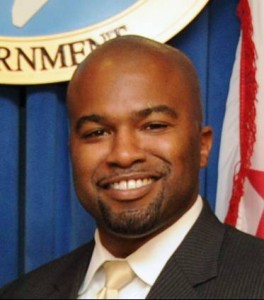
Harold, thank you for taking the time out to do this interview. MOSAICQUE and Future Young Leaders initiative congratulates you on your recent 40 under 40 award. Tell us more about the award. The timing seems to be perfect with you leaving the public sector and returning to the private sector.
Thank you. I was recognized by Development Counselors International during the 2013 International Economic Development Council Leadership Summit as one of the “40 under 40” rising stars in the economic development industry in January 2013. It truly was an honor to be apart of such a great group of professionals from throughout the world. Public service can be thankless, and I was pleased to pause for a moment to celebrate the successes I’ve achieved here in DC.
You left government and established Business Global Solutions. Tell us about the BGS firm, and the services you provide.
Business Global Solutions (BGS) provides strategic advisory services to government and private sector organizations, specializing in economic development, corporate strategy, public sector management, business & SME development, and business regulatory reform to improve investment climates for World Bank client governments, with specific focus on Sub-Saharan African countries. We’ve worked closely with the World Bank to advise governments such as Gabon and Mauritius on strategies and opportunities to improve their investment climate, in addition to other economic development projects here in the states.
Now that you have completed your time as director for Washington, D.C.’s small business development agency, give us a broad sweep of your experience, the challenges you faced, and some of the accomplishments you achieved during your tenure.
Throughout my career, I have found personal satisfaction serving in public service positions that allow me to build and innovate. Early on, I was instilled with a sense of urgency, and my career in public service has followed a path, taking on one challenge after the next.
In August 2011, the Mayor of the District of Columbia appointed me to serve on his cabinet as the Director for the D.C. Department of Small and Local Business Development (DSLBD). Unlike most other District Government agencies, DSLBD had experienced significant turnover and change to its executive leadership due to a number of factors. My appointment set the stage for my return to the agency, where I previously served as its Chief of Staff. My service would also mark the fourth appointment of a Director during fiscal year 2011, and the sixth in five (5) years.
DSLBD’s mission at the time was to foster the economic growth, development, and retention of Washington, D.C.-based small businesses. Its mission was simple, and if the agency had effectively accomplished its objectives, it would have a notable impact on the District’s tax base and stimulate the local economy. The agency had fallen short, however, of its goals.
In a two year span, DSLBD had lost nearly 55% of its staff. I had returned to a failing agency that had 14 people, and had lost over $500,000 in federal grants. As its Chief of Staff from 2007 through 2009, I had grown the agency to 31 employees, more than doubling the Department’s size from 13 FTEs, and rolling out new programs and services designed to assist small businesses.
My return to DSLBD was timely, as the business community was in need of experienced business leadership and stability at the Department to ensure the continuity and effective management of the agency’s programs. Time away from the agency had allowed me to conduct an external review of its positioning in the city, namely the development of a new vision for its pathway forward.
As its new Director, my first task was to assess imminent threats to the agency. Second, was to develop a new corporate strategy that communicated a vision for the agency that aligned with the needs of the small business community. Nearly all of the remaining team of 14 at the agency was all of my past employees. I met with each of them to gather their insights into the challenges faced by the agency and to understand its immediate risks. Since my departure as Chief of Staff, a replacement with budget execution, human resources, and government operations experience had not been hired. Because my appointment was in August, it gave me only one month to maximize the use of resources in the fiscal year. Therefore, I quickly analyzed the agency’s budget, which determined my ability to hire, develop programs, and stabilize its operations.
Within my first week, I had completed my assessment of the agency’s budget, and interviews with the staff. During my first full staff meeting, I articulated a new vision for the agency, which incorporated the insights of each staff member. DSLBD had a new vision; to connect small businesses in real-time with local, federal, and global business opportunities; to assist businesses with navigating government quickly, confidently, and effectively; and, that every small business with a great idea and a great plan would have access to the capital needed for its execution. The agency’s mission would remain the same, but its direction had deepened, and the staff was aware of the direction that I wanted to move the agency. My new vision for the agency also provided the guidance for the development of a strategic hiring plan. Each new hire would align with my vision, and each new program would add depth to the vision.
Under my leadership, DSLBD had monthly mayoral announcements of new small business initiatives and accomplishments throughout calendar year 2012. In addition to new programs and services, I had developed and capitalized nearly $5 million in new small business access to capital programs. I had aggressively targeted federal grant programs as part of my strategy for growing the agency, and successfully competed for the SBA’s Federal and State Technology (FAST) and State Trade and Export Promotion (STEP) programs, in addition to the U.S. Department of Defense’s Procurement Technical Assistance Program (PTAP), which the agency had lost during the two year period of my absence.
Due to the successful campaign for federal resources, I launched the city’s first small business export promotion service, ExportDC, where I led three successful trade missions to identify and develop market opportunities in Asia and Africa, with specific focus on the Singapore, South Africa and China markets. The trade missions resulted in over 120 business-to-business meetings and partnership develop opportunities with foreign chambers, trade associations and government officials to generate opportunities for district-based small businesses.
Further, I launched the city’s first small business technology transfer program, ConnecTech, which assists small District-based technology firms with commercializing innovations, and pursuing business opportunities in technology, specifically Small Business Innovation Research (SBIR) in the federal government. In addition, I was able to re-launch the District’s small business Procurement Technical Assistance Center as a result of the PTAP grant. In total, I had positioned the agency to win over $1 million in new federal funds.
Within 18 months, I was able to lead the agency through its most aggressive and dynamic expansion of small business services since its inception, which has strengthened the District’s entrepreneurial ecosystem. The agency, which had only 14 people when I had arrived, was now achieving success as a 45 person, full-service economic development organization with programs and services that had increased the competitiveness of DC small businesses across multiple industries. DSLBD was able to connect small businesses to new opportunities in the local, regional, federal, and global marketplace.
What are the biggest challenges to small businesses in D.C. today?
My focus was in three areas. First, my goal was to connect small businesses to opportunities locally, federally, and internationally. The second being navigation: How quickly and effectively a small business can navigate government, so they can get through to running their business. I want small business owners to focus on running their business, not being a pro or a specialist in how to interact with the government or to be an expert on the city’s laws. The third being capital. For a small business with a great idea, that we could ensure the small business is connected with the capital they need to grow.
You touched on a number of topics here. Tell me more about the partnership with the Kauffman foundation?
During the spring of 2012, I had initiated conversations with the Kauffman Foundation and its industry-leading FastTrac program to develop an innovative partnership to support small business development in the District of Columbia. As Director, my goal was to develop innovative partnerships and opportunities to support small business development.
The Kauffman Foundation is among the largest private foundations in the United States focused on the promotion and innovation in education and entrepreneurship. The Foundation established the FastTrac program, which serves a global audience of entrepreneurs and provides the framework, resources and networks necessary for an entrepreneur to take an idea and turn it into a successful, sustainable business.
I entered into negotiations with Kauffman FastTrac, and finalized details of the partnership to launch FastTrac DC. I established a goal of graduating over 250 District-based entrepreneurs from FastTrac offerings, and entered into agreements with other business-serving organizations to recruit, train and graduate DC entrepreneurs. My goal was for the program to service all parts of the city, so I developed a strategic partnership network with the Anacostia Economic Development Corporation; the DC Chamber of Commerce Foundation; the DC Women’s Business Center; the DC Small Business Development Center network; the Washington, DC Economic Partnership; and the Washington Area Community Investment Fund.
In July 2012, I announced the initiative through a press event, where the initiative was applauded as a signature effort to build a new economy in the District with strong, resilient small businesses. Also, the Kauffman FastTrac president, Alana Muller, declared the initiative as one of Kauffman FastTrac’s first large municipal partnerships, and added to the District of Columbia being “one of the best cities in America for business.”
There are some people out there that challenge the notion that the District is a terrible place to do business. What do you say to people and small businesses that express that sentiment?
Part of it is the perception gap between improvements that have been made, some of the buzz that we do see and conditions that may have been the case many years ago. You see it with transactional parts of government — oftentimes, at forums, we may have people who said, it took me this long to get a license or to get certified, and my first question is, when was the last time you were certified? And very often it’s been years, if not a decade or so, since their last engagement with the agency. The city is processing business transactions faster than ever, and the experience is a lot more streamlined with the introduction of innovative technology usage and policy changes that have been made. It’s a totally different experience from what small businesses may have experienced years ago. There is certain still room for improvement, and significant opportunities to further streamline transactions and eliminate draconian policies that create a burden for businesses in the city. There are many public servants who put a lot of work into improving the city’s business environment, and the progress made should be acknowledged. I am glad to have led those efforts.
Prior to your appointment as Director for the Department of Small and Local Business Development, you served as the Administrator for the city’s Business and Professional Licensing Administration.
In late 2009, I was recruited by the Director of the D.C. Department of Consumer and Regulatory Affairs (DCRA) to lead efforts to reform the city’s business regulatory environment. Washington, D.C. had earned a reputation of being one of worst jurisdictions to do business in the metropolitan region, and I had developed a track record of success in government reform, managing and streamlining operations, and had an in-depth knowledge of the landscape of the Washington, DC business environment. I worked with the Director before, and she had recruited me to serve as the agency’s Deputy Director and Administrator for the city’s Business and Professional Licensing Administration (BPLA). BPLA was at the center of the city’s regulatory framework, and responsible for the issuance of over 70,000 business, professional, special events, and vending licenses; registering and maintaining over 75,000 corporate entities; investigating unfair trade practices and unlicensed business activities; and inspecting over 10,000 weighing and measuring devices used by businesses in the District. The division included over 60 staffers, and generated over $25 million in revenue for the city each year.
BPLA serviced approximately 45,000 customers a year through its walk-in center services, and over 85,000 phone calls a year through its call center operations. In addition, the operation processed over 100,000 transactions in a given year. When I arrived, BPLA had a reputation for receiving constant complaints from customers resulting from burdensome transactions, poor customer service, and the inefficient use of technology. I launched an aggressive strategy to re-engineer the agency’s processes and adopt innovative technology to streamline our operations. I successfully led the team through the development and launch of new online systems which automated the city’s business licensing and corporate registration processes, and handled in upwards of 150,000 transactions a year.
I found that the more we reduced barriers for regulatory transactions, and utilized technology to streamline interactions, more businesses came into compliance. The process and technology reforms also resulted in revenue increases, which boosted to approximately $30 million (an increase in 20% over the previous five years average), cost reductions, and increases in productivity. The launch of the new systems has been widely recognized by the business community as great initiatives to make not only the agency more business friendly, but the District of Columbia.
Some small businesses continue to be challenged with the use of new technology, even social media. What services are available to help small businesses successfully maneuver through D.C.’s complex regulatory environment?
While I was able to successfully reform the city’s regulatory processes, the navigation of the complex regulatory environment continually burdened small businesses. To remedy the issue, I developed and launched the Small Business Regulatory Resource Center (SBRC), which would assist small businesses with navigating the District of Columbia’s regulatory environment through direct technical assistance and training services. I developed the SBRC to serve multiple purposes. First, the SBRC would play a critical role with demystifying the regulatory process, and provide small businesses with the understanding needed to reduce repeat visits and calls to DCRA. Second, it would establish a direct channel for customers to communicate feedback so DCRA could identify greater operational changes and opportunities to improve customer transactions.
The SBRC provides one-on-one technical assistance, pro bono legal services, and workshops designed to assist small businesses with navigating regulatory issues such as corporate registrations, licensure, tax compliance, and other business compliance related topics. Small business owners are able to come to DCRA and get the right guidance so that they can operate their business legally and in compliance with the laws and regulations set forth in the District.
To execute services, I pursued the establishment of a partnership network with non-profit, federal and other District government agencies. By inviting partners to provide one-on-one assistance and workshops at the SBRC, the partnership model would allow for a “win-win” situation. DCRA interacts with all businesses that are based, and do business in, the District of Columbia. The partnership would expand the partner’s ability to access small businesses, who serve as their clients. This is critical for non-profit service providers; specifically with achieving one-on-one counseling and workshop goals as determined by their grantors.
Throughout the country, I found that small business service providers offered very little technical assistance on topics focused on navigating a jurisdictions regulatory environment. I developed a “train the trainer” model of seminars on DCRA operations, which included topics related to business, professional, special events, and vending licensing, registering and maintaining a corporate entity, how to remain compliant and the identification of unfair trade practices and/or unlicensed business activities, federal and state tax compliance, and the inspection process for weighing and measuring devices. I led seminars with partners to ensure that they are up-to-date with policies and processes, and partners would take the lead in providing services at the SBRC. For federal and District government partners, it would provide an avenue for the agencies to achieve outreach goals, and alleviate operational pressures similar to DCRA.
To launch the SBRC, I developed strategic partnerships with key organizations in the District, which included the U.S. Small Business Administration, U.S. Internal Revenue Service, D.C. Building Industry Association, D.C. Women’s Business Center, D.C. Chamber of Commerce, World Bank-International Monetary Fund, Washington Area Community Invest Fund, and the D.C. Small Business Development Center Network.
The location of the SBRC is strategic to the success of the initiative. In March 2010, DCRA relocated to the Southwest section of Washington DC, which is metro accessible, making it easy for customers to travel to and from DCRA for its services. I led the design and build out of the space and located the SBRC on the same floor as the Business Licensing Center (BLC). Its location has allowed customers to receive assistance in the SBRC, and then venture over to the BLC to get licensed. The design of the SBRC’s services would allow customers the opportunity to become “transaction ready” so that when they enter the BLC and/or apply for a license online, they would be better informed and equipped to execute the transaction of acquiring a license or corporate registration.
The early success of the SBRC has been due to the development of partnerships with non-profits and other government agencies, the engagement of technology, and the rethinking of the role that customer service and business assistance can play with a regulatory agency. In April 2011, I formally launched the SBRC was formally launched as a signature small business initiative as part of my vision for making the District of Columbia an easier place to do business.
Looking at your experience, you also had a very unique experience in 2007 with Eastern Market. Walk us through your experience?
During my career I’ve learned that on any given day, public service can bring an unexpected set of challenges. On the morning of April 30, 2007, the Washington, D.C. region had awaken to news and alarming footage of a 3-alarm fire ravaging Eastern Market. That morning, I prepared for work as normal, and while watching the news coverage of the fire, I received a call from my boss, the City Administrator, who is the highest serving non-elected public official for the District Government.
That morning was to mark the beginning of my last week serving in the Office of the City Administrator (OCA) as a program manager for the economic development cluster of District Government agencies. The OCA was a central division of the Executive Office of the Mayor (EOM), and my appointment had been approved the week prior to serve as DSLBD’s Chief of Staff. Because of my experience in small business development, and government operations, the appointment would allow me to fill a leadership void at the agency.
As I arrived to City Hall that morning, I met with the Mayor and the City Administrator. The Mayor planned on holding a press event that morning, and he requested that I manage the city’s response and activities to assist merchants displaced by the fire. At the press conference, the Mayor announced that I was charged with ensuring the successful continuation of the market. The City Administrator informed me that the Mayor had appointed me as the lead because I was uniquely positioned between EOM and DSLBD. I understood the challenges faced by small business, and knew how to navigate the complexities of the District government. I would dually serve as Eastern Market lead and Chief of Staff for a government agency.
Built in 1873, Eastern Market is Washington, D.C.’s oldest continually operated public market, and the last of eight historic public markets remaining in the nation’s capital. Eastern Market is blocks away from the U.S. Capital, and has served as an anchor for the Capital Hill neighborhood for over 100 years.
After the press event, I jumped into action. That afternoon, I developed my strategy, which involved assessing and organizing stakeholders, gauging available government resources, and evaluating the impact of the fire on each merchant’s ability to operate at a reduced level. To work successfully between each function, I developed a plan to split hours between DSLBD, which also had critical needs, and Eastern Market, which was a mayoral priority.
I organized a meeting of members of the community the next day, and it was immediately clear there were numerous factions representing different interests related to the Market. Because I was new to the Markets politics, I quickly assessed each representative’s point of view, and worked behind the scene to bring the community together. Conflict in the community had been cultivated over the years, but I was able to successfully rally the leadership around the cause of saving and supporting the Market. I was able to bring together leaders who weeks earlier had openly argued at public meetings, and spoke disparagingly about each other. I was able to effectively communicate a vision that the community could support, and outlined specific tasks from fundraising, to research on employee displacement opportunities with other local small businesses. It was important for me to immediately diffuse long standing community conflict, and capture the small window of opportunity to rally the community for our common cause. The efforts were successful, and that was all in the first week!
The Mayor was clear that he wanted the market to resume operations by that Saturday, so I had less than five days to assist merchants with continuity of operations plans. Because the District Government had no organized effort to handle emergency response of this kind, I had assembled a cross section of District Government employees to assist with evaluating the 14 merchants displaced by the fire. I developed a protocol for the team to conduct its assessment, and by that Saturday, each of the 14 merchants were able to operate outside the market.
For four months, I served in both capacities, leading two different teams. As a result of the success of the plan I developed to ensure the continuity of operations at Eastern Market, no jobs were lost, and though at a reduced level, each merchant was able to continue operating. Good will continued within the community, and new initiatives to support Eastern Market grew from the original plans I developed to organize the community and diffuse some long-standing tensions.
The Eastern market fire was a significant event for the Capital Hill community. How does that experience translate into the city’s initiation of streetscape projects on popular corridors like H Street NE, and in the Adams Morgan neighborhood? Every time a streetscape construction project starts, I hear yelling and screaming about how the District’s not doing enough to help the impacted businesses.
When I rejoined DSLBD as Director at the end of August 2011, I began immediately engaging in issues related to publicly financed streetscape projects managed by the D.C. Department of Transportation (DDOT). The D.C. City Council established the Streetscape Loan Relief Fund (Streetscape Fund) with a goal to provide interest-free loans to retail businesses inside or adjoining a streetscape construction or rehabilitation project in the District. Though it was established by law, the funding for the Streetscape Fund was woefully inadequate.
DDOT had initiated nearly ten multi-year capital projects, which totaled nearly $50 million, along major commercial corridors throughout the city. Each corridor had significant numbers of small businesses, and the streetscape projects had documented impacts on small businesses. Washington, D.C.’s “H Street NE” had provided an excellent example of a project that could have disastrous effects on small businesses. In total, over $76 million was invested in infrastructure upgrades, but the capital projects lasted over four years, and many small businesses were not able to survive the interruption H Street. Customer inconvenience, parking space reductions, signage impediments, and traffic detours are some of the major factors that translated into losses of business income.
Because the fiscal year ended in a month, I worked feverishly to assess the status of the funding for the program, and the steps needed for its launch. The original capitalization was woefully inadequate to operate the Streetscape Fund. As a result of my expertise in managing government budgets, I found opportunities to increase the capitalization of the fund from $723,000 to over $2.7 million. In addition, I successfully negotiated with a fund manager to administer the loan program, and met with DDOT leadership to understand the timing of projects coming online in the near future.
I recognized early that developing the program would need to involve working with leadership from stakeholder groups from the Main Streets program, Business Improvement Districts, and other small business stakeholder groups. The community leadership had valuable insights which shaped the development of the fund. Also, by working with the community, I wanted to ensure that DSLBD had buy-in from a broad base of leadership within government, small business, and the community.
I directed my staff to develop a communication strategy inclusive of print materials and community meetings where we could promote the fund to corridors most immediately impacted by streetscape projects. The success of the fund was immediate. To date, nearly $2 million in loans has been awarded to nearly 25 small businesses for working capital, renovation and acquisition expenses, tax liabilities, and other allowable options. As a result of its success, nearly 150 jobs were retained and over 32 new jobs were created.
In 2010, President Obama announced the launch of the National Export Initiative to promote U.S. exports. You mentioned earlier that you launched the city’s first small business export promotion program. Was this apart of your strategy for growing the agency?
Ninety-five percent of the world’s consumers are outside of the United States, so exporting represents a frontier of business opportunities that can generate economic growth and stimulate job creation here in the District. To align the District with the efforts of the federal government, I launched the city’s first small business export promotion service, ExportDC, in January 2012.
The District of Columbia is an international city, and ExportDC provides an opportunity to expose our small and local businesses to international markets for their products and services. ExportDC is designed to assist District-based small businesses with increasing exports, grow the dollar value of exports from District businesses, and coordinate trade missions for qualified District-based businesses. Through training, targeted service provision, trade mission support, and business opportunity identification, ExportDC has assisted D.C. firms with building the capacity needed to successfully export their products and services.
From 2000 to 2010, the District’s professional and technical services industry grew nearly 8% annually. In comparison to the states, the District of Columbia had the highest percentage of professional and technical services GDP. Washington, D.C.’s economic output from professional and technical services was $21 billion in 2008, which was 21.6% of Washington, DC’s economy. The local economy is diversifying and growing, with significant strengths in professional, managerial, scientific and technical services. Over the last several decades, the industrial economy based on manufacturing has shifted to a services economy driven by information, knowledge and innovation. Washington, DC, has demonstrated its resilience and relevance as a home to successful professional service providers at the beginning of the 21st century. ExportDC was part of my vision to transform the business environment in the District.
In 2012, I led three successful small business trade missions to identify and develop market opportunities in Asia and Africa, with specific focus on the Singapore, South Africa and China markets, which resulted in over 120 business-to-business meetings, and partnership develop opportunities with foreign chambers, trade associations and government officials to generate opportunities for District-based small businesses. The trade mission also served as an invaluable opportunity for us meet with our government counterparts, trade associations, and other small business support organizations to plant the seeds for valuable long-term relationships, and we thank the SBA for their support of the District in promoting global partnerships. In addition, I executed a partnership agreement with the U.S. Export-Import (Ex-Im) Bank to promote and provide seminars on the bank’s financing programs which assist small businesses with loans, guarantees and insurance.
Profile:
Harold Pettigrew, was the former director of the Washington, D.C. Department of Small and local Business Development. Pettigrew has been featured in the Washington Post, Wall Street Journal, Global Trade magazine, Washington Business Journal, and was recipient of the 2013 “40 Under 40” Award in the Economic Development Industry, presented at the 2013 International Economic Development Council Leadership Summit by Development Councillors International.
Pettigrew has provided expert testimony to District Government officials, served on expert panels, and has been a featured speaker for local and federal government agencies, community groups, non-profits, universities, and trade associations. Pettigrew has also hosted and advised foreign delegations of business owners, government officials and legislators on issues involving trade, small business development, entrepreneurship and supplier development.
To know more about opportunities visit http://www.businessglobalsolutions.com or contact Harold@businessglobalsolutions.com
Lead Us Today: Bringing our best selves in service of OUR common good
Dalumuzi Mhlanga
University of Oxford

When I was seventeen, I established an “Inspiration Club” in my high school, Mzingwane, in Zimbabwe. This would be the first of a number of initiatives I started, which met serious needs in the communities that I was part of. At the time of establishing this club in 2006, Zimbabwe’s economy was on a steep decline, with an inflation rate in the order of thousands percent and an unemployment rate of over 80%. Many of my high school peers began to question the long-term value of working hard in school in the context of an economy that did not guarantee significant returns to studiousness. Moreover, we experienced hardship all around us – our parents struggled to feed and clothe our families well, neither did we have the best learning resources in our schools. However, I felt it was important for the Inspiration Club to bring together young people and provide a space for them to envision their long-term contributions to Zimbabwe’s advancement in spite of and beyond the difficult circumstances we were in.
Today, many members of that club are studying in some of the leading universities all over the world and building their capacity to contribute as leaders in the various realms of Zimbabwean society. Since this first experience of building a school club which has lasted for seven years and is still going strong, I have worked hard to build young people’s confidence and skills that enable them to impact their communities in positive ways.
After establishing other initiatives such as the Careers Support Initiative at Waterford Kamhlaba, my high school in Swaziland, and working with a group of students with a deep commitment to developing young people’s leadership potential at the Leadership Institute at Harvard College in the USA, I founded a non-profit organization in Zimbabwe, Lead Us Today (LUT). LUT provides high school students in the country with rigorous training on leadership and entrepreneurship. Through this training, we build students’ capacity to identify opportunities for social innovation and enable them to mobilize their communities to address shared challenges.
The relevance and importance of our work stems from the grim reality that in Zimbabwe, only 4% of students, writing the high school final examinations (Ordinary Level) in any year eventually secure a job with decent income in the formal economy given the education system’s design and the startling 70% unemployment rate. Unfortunately, the rigid school curriculum does not provide the 96% of students, who eventually gain income through informal economic activity, with skills that allow them to thrive in that sector. Essentially, students in Zimbabwe need a relevant curriculum that broadens their career options and equips them with skills that enhance business entrepreneurship and social innovations. Lead Us Today’s programming provides learning experiences that close the gap between the current and ideal skill sets and mindsets needed by the young people in Zimbabwe to thrive in the country’s difficult economy and simultaneously alleviate its challenges.
Driven by a deep commitment to meet this stark need, Lead Us Today has developed one of the most innovative and impact-oriented youth leadership and entrepreneurship development programs in Zimbabwe. We deliver a program structured around the academic year, which focuses on enabling students to make tangible impact in their communities. In the first half of the year, students meet with our facilitators for training sessions every week for two hours. Building from that training, students identify, design and implement an innovative and financially sustainable community development project. In the past, students have helped unemployed young people create a catering business in their high school, initiated a community recycling project and established a free community night school for adult education.
To date, we have provided world-class leadership and entrepreneurship training to nearly 1,500 students attending 20 schools in three out Zimbabwe’s ten provinces. The schools that we have partnered with for our program represent a diversity of schools catering for students from high and low-income families, urban and rural settings, able-bodied and disabled students.
In thinking about our work in the context of the Millennium Development Goals, I believe that our work at Lead Us Today is contributing to meeting their milestones and also innovating beyond them. In particular, we recognize that some of our country’s challenges emanate from a dearth in sound leadership. Often, people think of leadership only in the political sense yet we believe that it is important to think beyond who currently runs government or who should run it. Instead, we believe that it is important to instigate deep shifts in people’s values and ensure that initiative, innovation and integrity is engrained in citizens’ DNA. Because of this focus, we are building a whole generation of engaged and socially responsible citizens at all levels of society and in as many spheres, who are always thinking about how they can take initiative and use local resources to address local challenges in innovative and ethical ways. My organization has already started to work towards this goal.
I am only 24 and, in the coming decades, I look forward to living my passion of creating opportunities for others to bring their best selves in service of OUR common good.
Profile:
Dalumuzi Mhlanga is the Founder & Chief Executive Officer of Lead Us Today (www.leadustoday.org), a nonprofit organization that mobilizes Zimbabwean youth to be socially responsible citizens who directly address pressing community needs through its consolidated package of leadership training, community service and internship programs. Since its founding in May 2010, Lead Us Today has trained nearly 1,500 students who have designed and implemented dozens of community development projects including a community catering business, recycling programs and a night school for drop outs.
Dalumuzi Mhlanga trains the youth addressing following four cornerstones for successful implementation of the Lead Us Today program:
1. Building a strong team, which weathers the storms: While Dalumuzi is “the face” of Lead Us Today, there is a very strong and stable team that has worked very hard to ensuring that the organization delivers great results. Dalumuzi share’s his lessons on how to build, maintain and strengthen a results-oriented team that is committed to a mission.
2. Developing and refining your idea for social change: Over the last three years, Lead Us Today has grown in tremendous ways – its model has been revised several times, its current curriculum is nothing like the first that was taught in May 2010 and the organization’s focus has shifted paradigmatically in the last year. Dalumuzi teaches how to actively learn from your work so you can refine it and increase its potential for greater impact.
3. Building widespread, global support for your idea: Every idea and initiative needs to be supported by people who are not directly involved with the work. Dalumuzi share’s tips and advice on how to build political, media and financial support for your idea and initiative.
4. Being a student of your entrepreneurial work: Throughout the years, Dalumuzi share’s how he has used his work with Lead Us Today to enrich his learning experience as a student.
More broadly, Dalumuzi has experience developing youth leadership programs spanning seven years during which he has started 16 service-oriented youth clubs in Zimbabwe and Swaziland that involve 400+ students at any one point. He has received widespread recognition for his work: In 2012, he was named one of “Ten Outstanding Young Persons of Zimbabwe” by Junior Chamber International, was identified as an “Emerging Global Innovator” by American Express and Ashoka and was profiled as one of the 22 most impressive students at Harvard University by Business Insider, a leading business magazine in the US. In 2011, he received the prestigious College Social Innovator Award, conferred by Forbes.com and the Harvard Social Innovation Collaborative. He is also a StartingBloc and Sandbox entrepreneurship fellow. Dalumuzi is currently pursuing a Master of Science in African Studies as a Rhodes Scholar at the University of Oxford and holds a Bachelors degree in Social Studies from Harvard University.
Dalumuzi Mhlanga Lead Us Today article January 2014 edition MOSAICQUE magazine
Cybertecture ~ Innovating the Fabric of Mankind
 Mosaicque magazine is privileged to feature Cybertecture a world class designer architecture firm based in Honk Kong, which has an outrageously bold vision of James Law, a decorated Young Global Leader of World Economic Forum. The underlying principle of Cybertecture is to innovate the very fabric of mankind through their designs that focus on a spirit of forward looking innovations. Cybertecture integrates technology, multimedia, intelligent systems and user interactivity to create customizable living and working spaces that focus on experience of residents.
“In the 21st Century, buildings will be different from 20th Century”, say James Law Cybertecture International, “They are no longer about concrete, steel and glass, but also the new intangible materials of technology, multimedia, intelligence and interactivity. Only recognizing this will bring a new form of architecture to light, namely a Cybertecture.”
James has designed several award winning iconic architectural projects of Cybertecture, including THE PAD building in Dubai – an intelligent residential building that is inspired by modern lifestyle technologies; THE CYBERTECTURE EGG in Mumbai – a parametrically designed office building that is entirely column-less and has strong green characteristics; THE TECHNOSPHERE building in Abu Dhabi – a 10 million square foot spherical building that mimic the ecology of the Planet Earth as a sustainable mega structure. This project was recognized with the World Architecture Award 2009 by CNBC and HSBC.
MOSAICQUE magazine is privileged to feature the internationally renowned designer-architect James Law and the 21st century outrageously bold, visionary, eco-friendly structure the Cybertecture Egg, based in Mumbai. Cybertecture Egg, working theme is a step further with ‘cybertecture health’ – interactive features that monitor occupant’s vital health statistics, like blood pressure and weight. In keeping with the focus on health and wellness, users can customize their views with real time virtual scenery.

This smart and egg-shaped building, design features include the sky gardens, PV solar panel farms, intelligent glass facades and water recycling system. James Law has been commissioned by Vijay Associate (Wadhwa Developers) to create an office unlike any other in Mumbai, India. The 32,000 sq m egg-shaped build will accommodate 13 floors of offices and 400 parking spaces, bringing together iconic architecture, environmental design, intelligent systems, and new engineering to create an awe-inspiring landmark in the city.
The concept was inspired, according to the designers, by considering the world as an ecosystem allowing life to evolve. This intelligent world egg is self-contained, nestled in the heart of an organism Elements of the design and intelligence systems will work together to give the building’s inhabitants the ‘best space to work in’. And this includes monitoring their health. Within the building, there will be a series of innovative systems such as ‘cybertecture health’ in the washroom which is designed to keep track of the inhabitant’s health including blood pressure and weight. The data collected may be retrieved and sent to a doctor if deemed necessary.
Cybertecture Egg building has used dia-grid, thanks to the external skeletal structure generated strong structural system, the ground plate and has used wide range of column less flexibility – a mastery of the traditional vertical buildings. The developers have used building materials that has given 15 active savings.
The oblong office building incorporates passive solar design to decrease heat gain and lower energy loads. An elevated garden also moderates temperatures by using natural vegetation to assist with cooling the building envelope. The Cybertecture Egg will use solar photovoltaic panels and rooftop wind turbines to generate onsite electricity. Water conservation will be managed with a greywater recycling system that will harvest water for irrigation and landscaping.
The Cybertecture Egg consists of the following state of art technology:
1. Orientation of the building: The building is ideally positioned; sunlight and heat are gained most to minimize the sun.
2. Sky Gardens: Building has green areas of shade against the sun to provide oxygen to refresh, and for the people to rest. These gardens cool the back of the building and act as water conversion filters for wet areas beds.
3. PV Solar Panel Farms: Building has solar photovoltaic cells integrated in the facade, thus solar energy alternative electrical supply is provided.
4. Smart Glass Facade: The building’s glass solar facade is state of art, blending various shades and glass.
5. Water Recycling System: Building encompasses drinking water recycling, rainwater recovery system, waste water purification systems, filtration and wetland cell system as a combination. With these systems in place the building achieves 20 percent effective recycling rate.
6. Groundwater Cooling: Building has deep underground reservoir placing underground cooling system, providing natural underground cooling system
7 Intelligent Building Management System: The Building Management System is made in such as way that it uses less energy or more residents in place reduce energy use targets.
It is hoped this building will act like a “jewel” for the new Central Business District of Mumbai, and will be a worthy neighbour to other esteemed buildings in the district.
James Law also mentor’s Young Architects Program, which is for Young Students who inspire to be architects.
James Law Innovating the Fabric of Mankind
James Law Profile:
James is the founder of design firm James Law Cybertecture. He is a Young Global Leader of the World Economic Forum; a Council Member of World Economic Forum Global Agenda Council on Design & Innovation; Board Member of the Hong Kong Design Center and twice nominee for the Asian Innovation Award.
James is a qualified architect who graduated from the Bartlett School of Architecture, University College London. He practiced in Japan and UK before founding his own company in 2001 in Hong Kong to develop designs of Cybertecture encompassing future city planning, architecture, interiors and products all focused with a spirit of forward looking innovation.
James has also designs and manufactures his own product line including THE CYBERTECTURE MIRROR, a bathroom mirror that uses a combination of screen and glass technology to augment your reflection with useful applications including exercise, health monitoring and information. This product won the Thomas Edison Award 2012 and a Design for Asia Award 2011 and is shortlisted for the Asian Innovation Award 2012.
Aside from running his company, James teaches as a visiting Adjunct Professor at KAIST, Korea; and is an occasional TED Talk speaker.